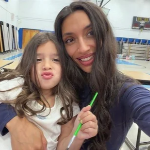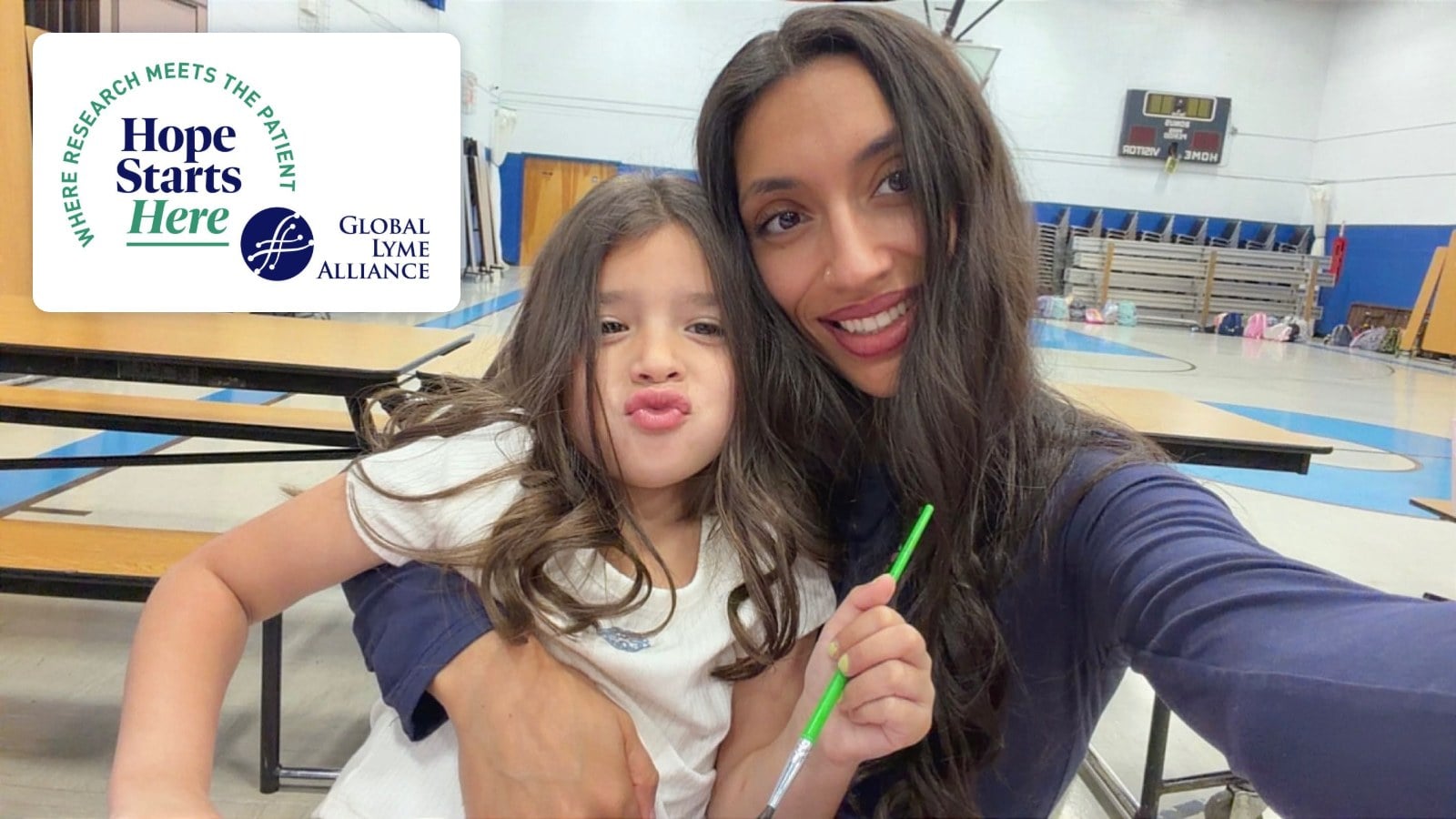
Monica Cipriani grew up watching unexplained symptoms take pieces of her mother, who saw approximately 30 physicians before she was diagnosed with Lyme disease in 2013. Monica went on to pursue a PhD focused on tickborne diseases, and years later found herself fighting the same battle for her daughter, Elara.
Some of my favorite childhood memories are of doing Richard Simmons workout videos with my mom in our living room. My mother was the life of the party. Always active, always laughing, always finding something for us to do. She drove us to our sporting events, showed up for everything, and somehow always had energy left over.

When My Mother's Symptoms Had No Explanation:
And then, little by little, we started losing pieces of her while gaining symptoms none of us could explain. Hives, pains, extreme fatigue, vision changes, loss of bladder control, anxiety. Every day seemed to bring something different, and we didn’t know why.
One of my clearest memories is of a car ride to my brother's high school. My mother had driven that route countless times, but that day, she suddenly pulled over, looked at us, and asked, "Where are we going? How do we get there?"
My mother, who had always been our compass, suddenly wasn't. I knew something was seriously wrong, but I had no idea just how much our lives were about to change.
Thirty Physicians and Years of Searching Before a Lyme Disease Diagnosis:
 Over the years that followed, my mother saw approximately 30 physicians across multiple specialties and states. With every appointment, we hoped the next doctor would have an explanation.
Every appointment seemed to introduce another condition, another set of tests, another possibility. We heard MS, fibromyalgia, CFS, hepatitis C, and various psychiatric disorders. She was even referred to oncology.
And when those evaluations didn't provide the right answers, we were right back where we started.
I watched her lose her independence, her sense of self, and so much of the life she once knew. But even on the days when she was exhausted, in pain, or disappointed, she never stopped fighting. She fought for herself and for our family.
In 2013, after years of searching, my mother was finally diagnosed: Lyme disease.
I remember feeling an overwhelming sense of relief. After everything we'd been through, it was an infection? In my mind, that meant a cure: antibiotics! We were going to get our mom back and she was finally going to get her life back.
But we learned very quickly that it wasn't going to be that simple.
Why I Chose to Study Tickborne Diseases:
That same year, I began pursuing my degree in microbiology. I had always loved science, but my curiosity became much more personal. I wanted to understand how an organism could so quietly and profoundly disrupt someone's life. How something we couldn't even see could take so much from a person and everyone who loved them. But what I began learning in the classroom never seemed to measure up to the reality of what was happening inside our home.
In my textbooks, diagnosis seemed straightforward, and treatment even more so. But as difficult as it had been to get my mother diagnosed, navigating what came afterward felt even more overwhelming.
One treatment led to another. My mother continued struggling, and we continued searching for something that would help. She was eventually also diagnosed with coinfections, adding more complexity to an already difficult journey.
I found myself questioning so much of what I thought I understood. I could spend hours studying organisms and their interactions with the human body but then I would go home and watch my mother struggle through another day, wondering how much we were still missing.
Because there is no laboratory value that can measure how much of someone's life an illness has taken away. No textbook lesson that can explain what it feels like to watch someone you love lose the ability to live the life they once knew.
Looking back, I realize it wasn't just my mother's illness that inspired me. It was watching her refuse to give up. Her determination made me want to do the same, not only for her, but for every person who had experienced what our family had.
Somewhere along the way, her fight became my own.
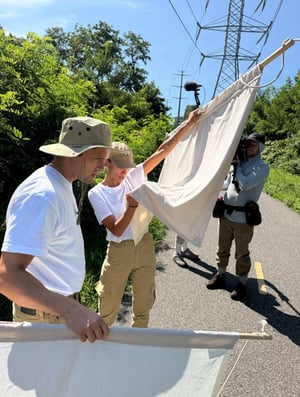 I am currently pursuing my PhD, focusing on tickborne diseases. I dedicated my education, career, and advocacy efforts to recognizing, understanding, and preventing these diseases and the impact they have on those affected by them. I encountered countless stories that sounded painfully familiar. Patients seeing specialist after specialist, struggling with ongoing symptoms, facing financial and emotional burdens, and feeling unheard. I thought that with my education and experience, I was better equipped to recognize these illnesses and help families navigate them.
When Tickborne Illness Reached My Daughter:
Despite all of that, I never imagined I would find myself fighting the same battle, years later, for my own daughter, Elara.
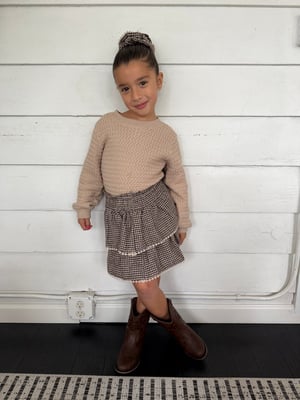 Elara is the happiest, smartest, bravest little girl and the most incredible big sister. But at just 3 years old, she began experiencing a wide range of symptoms that seemed all too familiar.
Over the next two years, we saw approximately 14 physicians across multiple specialties, underwent extensive evaluations, and received repeated negative test results.
We questioned, researched, and pushed for answers. I brought my knowledge into those appointments, trying to explain why we needed to look deeper and consider what might be getting missed. But as her symptoms continued, we often felt that without the laboratory evidence on paper, we weren't being listened to. And our daughter's health was the cost of that.
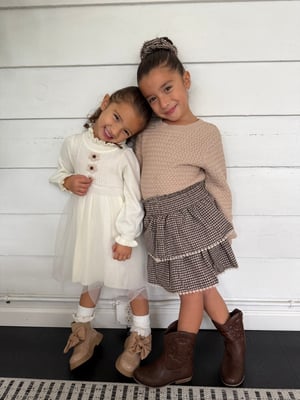 Elara was eventually diagnosed with what I feared in my heart the entire time: multiple tickborne illnesses. While we continue to navigate her care, I cannot stop thinking about how we got here.
I understood the science. I knew the warning signs. I understood the limitations of testing. And still, I found myself overwhelmed, confused, and struggling to find answers. I had spent years advocating for patients who felt unheard, only to find myself sitting in examination rooms feeling the same way.
I spent years listening to families describe experiences I thought I understood. I had seen what my mother went through. But sitting there as a mother, I realized there was another side of this that no amount of education or experience could have prepared me for.
And if I could find myself here, what happens to families who don't know what to look for, what questions to ask, or where to turn?
Why No Family Should Navigate Tickborne Disease Alone:
This is why Global Lyme Alliance means so much to me.
For people affected by these diseases, the struggle doesn't end with a diagnosis. There are still questions, uncertainties, and challenges that no patient or family should have to navigate alone.
I'm grateful to be part of an organization that not only supports research to improve our understanding of these diseases, but also works to educate communities, support patients, and give a voice to people who have spent far too long feeling unheard.
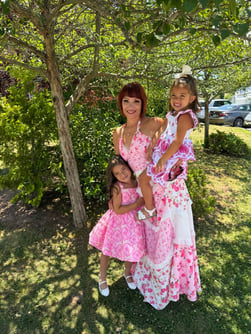 When I look back at everything my mother endured, I think about how hard she fought to hold on to the life she loved. And now, when I look at my daughter, I find myself fighting with that same determination, hoping to give her a childhood that isn't defined by illness.
My mother taught me how to fight. My education gave me the tools to make a difference. And my daughter has given that fight an entirely new meaning.
Three generations. One fight.
***
The above material is provided for information purposes only. The material (a) is not nor should be considered, or used as a substitute for, medical advice, diagnosis, or treatment, nor (b) does it necessarily represent endorsement by or an official position of Global Lyme Alliance, Inc. or any of its directors, officers, advisors or volunteers. Advice on the testing, treatment or care of an individual patient should be obtained through consultation with a physician who has examined that patient or is familiar with that patient’s medical history.