The Kay Hagan Tick Reauthorization Act has passed the House, ensuring $150 million for Lyme disease research and response efforts over the next five years. The bill now moves forward to the Senate.
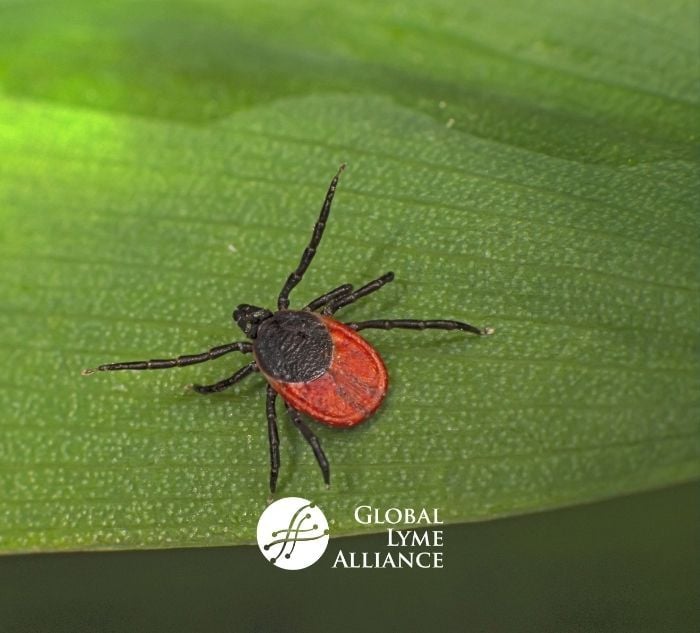
Disease-carrying ticks have now been documented in all 48 contiguous states, including regions where they were not historically present. The federal program built to track that spread, train the people who identify it, and fund the research behind better diagnostics ran out of authorized money last year.
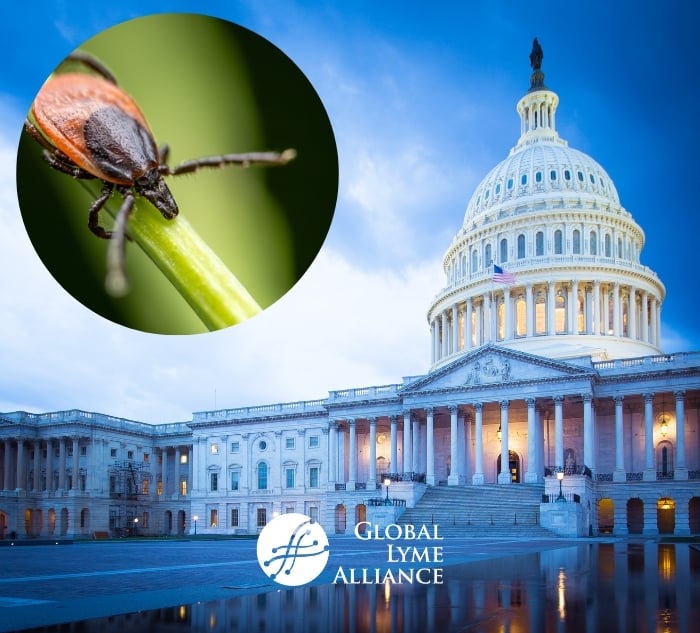
On July 20, the House of Representatives voted to restore it. The Kay Hagan Tick Reauthorization Act, introduced as HR 4348 by Rep. Chris Smith of New Jersey, passed without a single member objecting. It now heads to the Senate.
What is the Kay Hagan Tick Act:
The reauthorization provides $150 million over five years in continued funding for the U.S. Centers for Disease Control and Prevention (CDC) supporting Lyme and tick-borne disease surveillance, research, training, and response.
A significant portion goes to the CDC's regional Centers of Excellence in Vector-Borne Diseases, which are university-based hubs that study illnesses spread by ticks and mosquitoes. These centers also provide training for public health entomologists and other health care professionals to strengthen the nation’s response to vector-borne diseases. Public health entomologists are specialists who identify tick species monitor where they are moving, and support public health surveillance efforts.
The bill also directs funding to support state, local, and tribal public health departments in regions facing elevated risk of Lyme or other tick-borne disease outbreaks, so they can work alongside federal agencies to detect and respond quickly.
The original Kay Hagan Tick Act took effect in 2019. It is named in memory of former U.S. senator Kay Hagan of North Carolina, who died following complications from Powassan virus encephalitis, a rare tick-borne disease. Funding for this Act lapsed last year, which is why this vote matters.
Why sustained funding is needed:
As Lyme and other tick-borne diseases continue to expand into new regions and remain a significant public health challenge, sustained investment is needed to strengthen the research and public health infrastructure needed to better understand and address them.
Dr. Armin Alaedini, Chief Scientific Officer of Global Lyme Alliance, shared his perspective on the importance of this investment:
"Scientific progress depends on sustained investment, collaboration, and a commitment to rigorous research. The House passage of the Kay Hagan Tick Reauthorization Act is an important step in strengthening the scientific ecosystem needed to advance better diagnostics, safer and more effective treatments, and improved outcomes for people affected by Lyme and other tick-borne diseases."
The Kay Hagan Tick Act supports the foundational infrastructure that allows research and public health efforts to move forward over time. By strengthening surveillance, training, collaboration, and response capacity, this investment helps create the conditions needed for continued progress.
Jennifer Katritos, Chief Executive Officer of Global Lyme Alliance, highlighted what this investment means for those affected by Lyme and other tick-borne diseases:
"The House's passage of the Kay Hagan Tick Reauthorization Act reflects a critical commitment to the millions of people impacted by Lyme and other tick-borne diseases. Sustained federal investment in research is essential to accelerating scientific breakthroughs, improving patient outcomes, and ultimately preventing these diseases. Global Lyme Alliance applauds this bipartisan action and urges the Senate to move this legislation forward without delay."
What You Can Do To Support:
The bill is now with the Senate. Contact your U.S. Senators and urge them to vote yes on reauthorizing the Kay Hagan Tick Act.
***