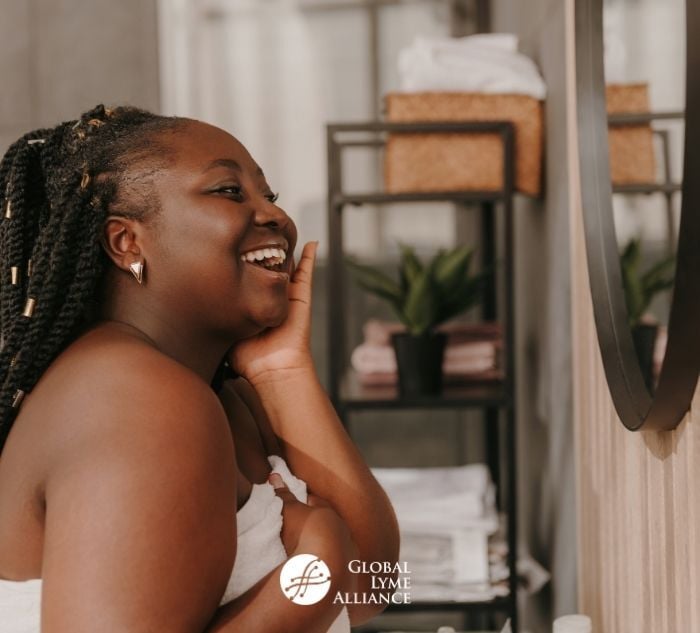
Discover powerful ways chronic illness patients can practice self-love this Valentine's Day, from writing love letters to self-care rituals that nurture both body and soul.
I run a monthly writing work shop for people with chronic illness or other debilitating conditions. Each month, I set a theme related to the craft of writing or to an aspect of living with chronic illness. With Valentine’s Day around the corner, this month’s theme was love letters. The announcement was met with groans and rolled eyes. “Wait,” I implored. “Not that kind of love letter.”
Valentine’s Day can be a tricky day for many, whether sick or well, coupled or uncoupled. There’s pressure, there are expectations, there are celebrations and letdowns and everything in between. The holiday can be especially difficult for patients who don’t feel capable of dating, or whose relationship may have disintegrated as a result of illness. You might not feel like celebrating love at a time when you’re feeling hatred toward your body, or at least toward your illness. You may feel resentment toward those who have met your illness with anything but love.
This is where the love letters come in.
As a model text, I read to my meetup participants a letter from Lyme warrior Bonnie van Geffen, published on the Global Lyme Alliance website in 2017. In most letters, including love letters, we write to someone else. In “A Letter to MySick Self”, van Geffen writes to herself, which naturally allows her to step outside her interior view and talk to herself as someone on the outside looking in. Doing so allows her to shift from internalized messages of hate, shame, and guilt to external directives of love. She writes, “Please don’t ever call your body weak again. It had to fight so much for so long, that it’s oneof the strongest you’ll ever meet.” Van Geffen goes on, “Please don’t ever feel guilty for not being the perfect friend, girlfriend, daughter, or employee. You are not your disease.” And the one that particularly gets me: “Don’t accuse yourself of being difficult to love. Don’t you dare tell yourself that ever again…When you feel hate for yourself, you are actually hating Lyme disease.But there is so much more to you than that. You are loyal, giving, generous, and have a big heart.”
When I stopped reading, I looked around the Zoom room. Cringe had shifted to awe and gratitude. I could see in people’s eyes that they were thinking, Wow, that could be me, too, and, how empowering. Then those same people who had groaned and rolled their eyes started eagerly writing to a choice of two prompts: write a love letter to yourself or your illness, or write a letter to someone involved in your story (such as a doctor, family member, or friend) telling them what you need them to know.
What flowed was an outpouring of l love: for themselves and all they’d survived; for their bodies and all they’d endured; for their illnesses and all the life lessons they’d imparted; and for the loved ones who do get it, who do see them, who do make them feel validated and heard.Sharing these letters aloud, we could literally feel the love in the room.
And so I challenge you, fellowLyme warriors and chronic illness patients, to write your own love letter to yourself, to your illness, to someone, or to something. One meetup participant wrote toan oak tree, thanking it for the ways it had remained sentient and strong.
If you’re not up to writing a letter, there are other ways to practice self-love this Valentine’s Day (andall the year through!). Here are some ideas that have worked for me:
- Make a gratitude jar or journal. Each night, drop in a note about something you were grateful for that day.
- Make a list of things you love about yourself that have nothing to do with work, finances, “success”, or your illness. Who are you at your core? What qualities shine through despite your illness?
- Take a staycation. Check out ways to “vacation”even when you can’t leave the house in my blog post “Staycationing”.
- Pamper yourself. Paint your nails, take a bath, or light a favorite candle.
- Sooth the senses. Sensuality is not just about romance. It’s about activating each of your five senses to help ground yourself. Smell essential oils, taste your favorite dessert, look at photos of friends, listen to a funny podcast, or wrap yourself in a cozy blanket.
- Allow yourself joy and pleasure. When we’re sick, we sometimes feel like we don’t “deserve” these moments, but the fact is, we need them more than ever. Learn more in my blog post “AddingJoy and Pleasure to Life, No Matter When”.
- Make art. You might create your own Valentine, or color, or make a collage. I’ve found art to be both soothing and distracting. In my darkest days of illness, I would draw pictures of what I wanted my life to look like: my future house, the cover of a book I planned to write. Some of those dreams have come true, and I like to think my drawings helped manifest them.
- Nourish yourself. As chronic illness patients, good hydration and nutrition always need to be on the menu. But as a treat, take the time to make your favorite meal (or ask someone to make it with or for you), or have a dessert that fits your dietary needs (I’ve found gluten-free, naturally sweetened ice cream, brownies, and cookies—that taste good, too!).
And perhaps most importantly, give yourself a pat on the back. You are fighting a battle no one would choose. With each act of self-love, you are helping yourself heal. (For more on self- love, see my 2016 blog post “Valentine’sDay: A Celebration of Self-Love”.)
***